Get Informed on crucial roofing maintenance to guarantee your home's security and longevity.
The significance of maintaining a safe and durable roof is undeniable. Many homeowners neglect necessary roof care until serious damage occurs. Routine checks often reveal concealed damage, while understanding standard fixes can save money on major repairs. Understanding materials and the role of gutters also is a key factor in how long the roof lasts. As homeowners deal with these factors, knowing how to choose the right contractor is vitally necessary. What steps can they take to secure their investment?
Why You Need Periodic Roof Assessments
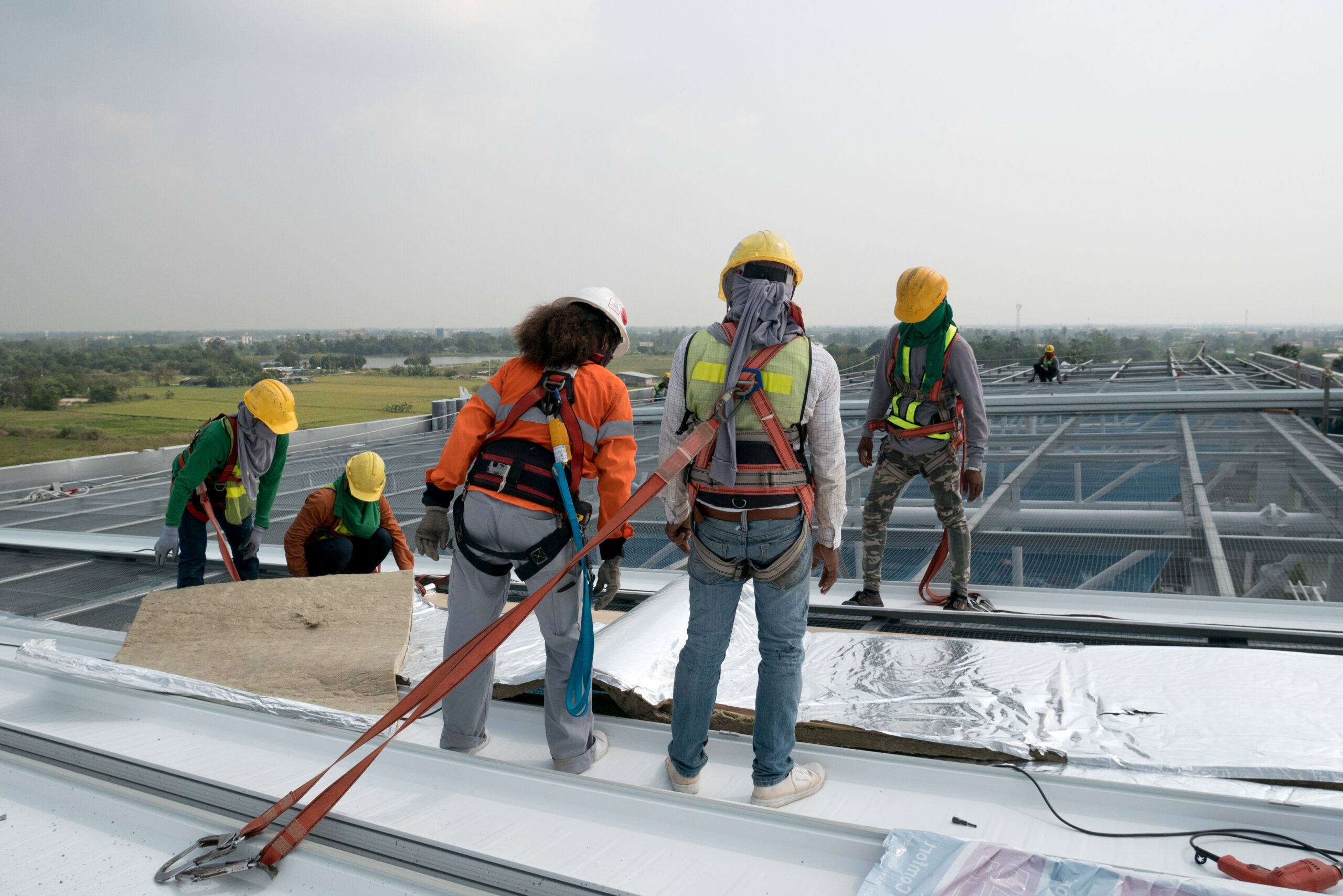
Even though many property owners neglect this, the necessity of routine roof checks is undeniable. These inspections are essential for maintaining the integrity of a home. Over time, roofs can suffer from wear and tear due to a range of weather conditions, including the elements, buildup of material, and old components. Routine checks assist in finding developing problems before they escalate into significant problems, such as water intrusion or compromised stability. Furthermore, proactive roof maintenance can increase the longevity of the roofing system, cutting down on expensive fixes in the long run. Checks are best performed annually at a minimum or after severe weather events. Hiring certified roofing experts guarantees a thorough assessment, as trained experts can spot early signs of deterioration that an untrained eye might miss. In the end, focusing on routine roof checks ensures a protected living space, protecting both the property and the people inside.
Typical Roof Fixes and What They Offer
Regular roof inspections not only help identify potential issues but also make essential fixes possible when damage is noticed. Common roofing repairs include stopping water flow, replacing damaged shingles, and clearing debris from gutters. Addressing leaks promptly can avoid liquid harm and mold growth, safeguarding the home’s structure and interior. Exchanging broken shingles strengthens the roof's structural integrity and enhances the property's appearance, guaranteeing long-term durability. Furthermore, clearing gutters prevents water backup, which can lead to costly repairs and foundation issues.
This upkeep substantially aids to extending the roof's useful life and maintaining energy efficiency. Property owners who commit to regular upkeep and quick mending can steer consult now clear of major, expensive overhauls in the future. Finally, resolving standard roof concerns ensures the residence is safe but also gives property owners reassurance, sure that their investment is safe against environmental elements.
Steps for Replacing a Roof
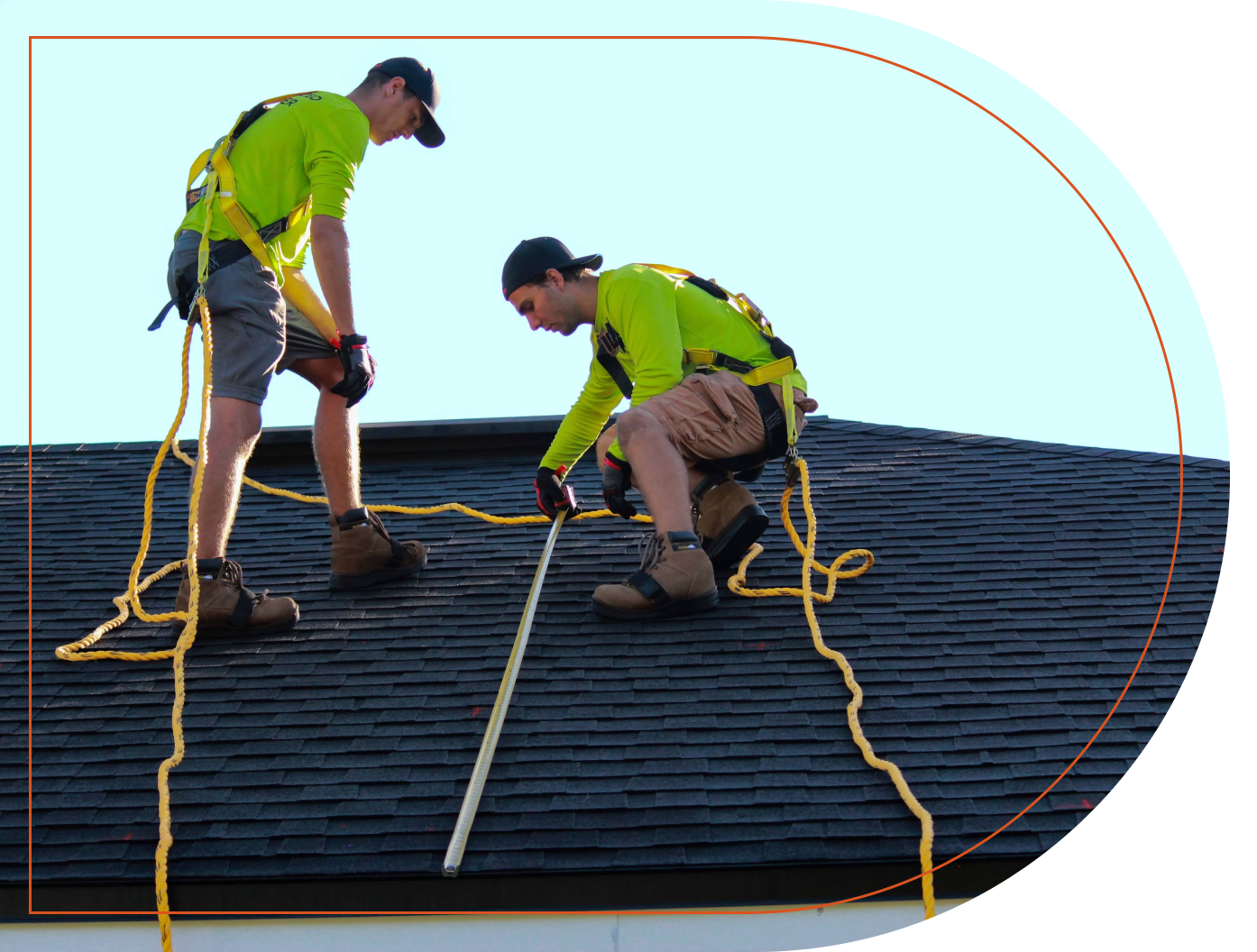
Replacing a roof includes several vital stages to guarantee a successful and durable installation. Initially, the existing roof undergoes a detailed examination to determine its current shape and figure out what needs fixing or replacing. Once the assessment is complete, homeowners must select a qualified roofing contractor who can provide an appropriate plan and completion date for the job.
Next, the old roofing components are taken off, which may include shingles, flashing, and underlayment. This stage is crucial for finding hidden issues to the roof deck. Following the tear-off, the underlying decking receives necessary mending, ensuring a solid foundation for the replacement roof.
Once the deck is secure, fitting the new roof materials commences, with the addition of correct flashing and air circulation systems. Finally, the site is completely cleaned, ensuring the area is immaculate and ensuring the new roof offers long-lasting protection.
A Guide to Roofing Materials and Longevity
Understanding roofing materials is essential for homeowners looking to make informed decisions about their roofing needs. Every kind of roofing component possesses a distinct longevity and care specifications, influencing overall costs and resilience. Through reviewing standard choices, their expected lifespan, and the required maintenance, homeowners can plan their roofing projects better.
Common Roofing Material Types
Numerous roofing material types are available, each offering unique benefits and diverse useful lives. Shingles made of asphalt are popular due to their affordability and simple installation process, making them a common choice for houses. Metal roofs, recognized for its long life and low maintenance, is available in many designs, including standing seam and ribbed panels. Tile roofing, usually composed of clay or concrete material, offers a unique look and holds up against bad weather. Roofing made of slate, though it costs more, is prized for how long it lasts and natural beauty. Lastly, artificial materials, for example, rubber or plastic, provide environmentally conscious choices that resemble classic materials. Every type meets particular requirements, allowing homeowners to choose the best fit for their property.
Lifespan of Roofing Options
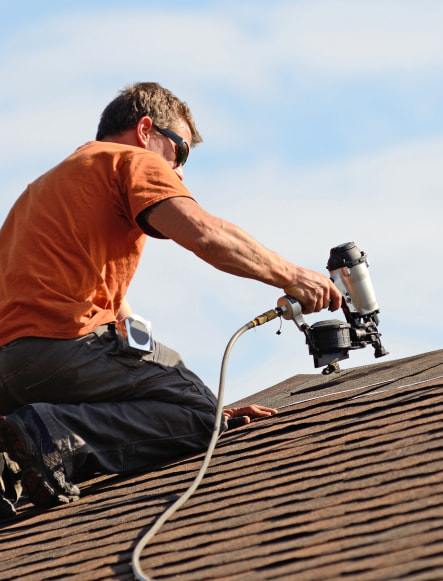
When picking roofing options involves not only considering their aesthetic and price but also how long they will last. Different roofing options exhibit varying lifespans, which affects the long-term investment of homeowners. Shingles made of asphalt generally last around 15 to 30 years, depending on quality and installation. Roofing made of metal, recognized for being long-lasting, may hold up for 40 to 70 years if installed correctly. Clay and cement tiles boast impressive longevity, often reaching 50 years or more. Wooden shingles, while aesthetically appealing, typically endure for 20 to 25 years, depending on the climate and upkeep. Finally, synthetic materials can vary widely, where specific materials are meant to last a maximum of 50 years. Grasping how long they last aids homeowners in making informed decisions concerning their roofing expenditure.
Upkeep for a Longer Lifespan
Regular maintenance is essential to ensure the longest lifespan of roofing materials. Homeowners should routinely inspect their roofs for damage, such as missing shingles, cracks, or moss growth. Addressing these issues promptly prevents the damage from spreading. The lifespan differs among various roofing materials; as an illustration, asphalt shingles typically last 15-30 years, but metal roofs can hold up for 40-70 years with adequate upkeep. Regular cleaning of downspouts and gutters is essential to ensure water drains freely, minimizing the risk of leaks and integrity issues. Furthermore, contracting a specialist for annual inspections can help identify potential problems before they escalate - Massapequa Roofing Company. By understanding the specific maintenance needs of their roof's surface, homeowners can greatly enhance their roof's durability and ensure long-term protection for their homes
The Role of Gutters in Roof Upkeep
Gutters play an essential role in roof maintenance by guiding runoff away from the structure. Operational gutters stop water from accumulating on the rooftop, which can lead to leaks, fungal buildup, and damage to the building's integrity. They channel rainwater downwards and away from the foundation, safeguarding the integrity of the home.
Regular inspection and cleaning of gutters are imperative, as debris can hinder drainage and create blockages. When gutters are neglected, they can overflow, causing water to seep into walls and ceilings, ultimately resulting in costly repairs.
In addition, well-maintained gutters boost the effectiveness of a roofing system, extending its service life. Homeowners should prioritize gutter maintenance as part of their general roof upkeep strategy, making sure that these vital parts operate effectively. By taking this action, they improve the durability and safety of their homes, illustrating the undeniable importance of gutters in roof maintenance.
Choosing a Dependable Roofing Contractor
How can homeowners make sure they choose a reliable roofing contractor? First, it is essential to perform detailed investigation. Homeowners should ask for referrals from friends, family, and online reviews to find reputable contractors in their area. Next, verifying credentials is crucial; a reliable contractor should possess appropriate licenses, insurance, and certifications.
Homeowners should also solicit itemized proposals from multiple contractors, comparing costs and the work provided. Communicating clearly is key, as a honest contractor will be responsive and transparent about their processes.
In addition, looking at completed jobs and customer testimonials can give an idea into the contractor's quality of work and reliability. Lastly, homeowners should select a contractor who offers warranties on the materials and the workmanship, providing enduring assistance and protection for the homeowner’s investment. By following these guidelines, homeowners can greatly increase their chances of selecting a dependable roofing contractor.
Questions Often Asked
What is the Recommended Frequency for a Roof Inspection?
It is recommended to schedule a roof inspection a minimum of two times annually, specifically in the spring and the fall. In addition, inspections should occur after extreme weather to assess potential damage and ensure the roof remains sound.
Which Indicators Point of Roof Damage to Watch Out For?
Roof damage warnings consist of lost shingles, leaks, sagging, dark spots on ceilings, missing granules in the troughs, and the presence of moss or algae. Immediate action on these concerns can avoid greater deterioration and costly repairs.
Is it Possible to Do My Own Roof Repairs?
Yes, individuals can perform roof repairs themselves if they possess the necessary skills and tools. But, exercise caution, as poorly executed repairs might cause further damage or safety hazards, which might necessitate hiring a professional later.
In What Way Do Weather Patterns Influence Roofing Materials?
The weather heavily influences roofing materials, leading to wear, damage, or degradation. Massapequa Roofing Company. Excessive heat, water, and sun exposure can reduce structural soundness, which may cause leaks or problems with the structure. Routine maintenance is crucial to reduce these consequences and extend the roof's useful life
What Is the Average Cost of a Roof Replacement?
The standard price for replacing a roof typically ranges from $5,000 to $15,000, depending on factors such as the size of the roof, the material used, and the location, which affects the total cost and installation standard.